
We would rather keep a tooth than replace it.
Most of what is sold abroad as veneers is in fact crowns. The difference is roughly 40% of your tooth, and almost nobody explains it before the drill starts.
A veneer and a crown are not the same thing
A porcelain veneer removes between 3% and 30% of a tooth. A crown removes 63% to 72%. Those figures come from Edelhoff and Sorensen, published in the Journal of Prosthetic Dentistry in 2002, and they have not been seriously disputed since.
The reason this matters is simple. Most of what is marketed to foreign patients as 'veneers' is crowns, usually zirconia, and most patients only discover the difference years later when a tooth dies underneath one. Enamel does not grow back. A crown is a permanent commitment made on your behalf, often in a language you do not speak, in a week you also meant to spend at the beach.
So we tell you which one you are being offered
In writing, tooth by tooth, before anything is prepared. If whitening or alignment would achieve what you actually want, we will say so, even though it earns us considerably less. If the honest answer is that you need less than you were told elsewhere, that is the answer you will get.
What the numbers actually look like
Nobody should promise you a zero-risk mouth, and any clinic that does is telling you something it cannot know. Published figures, worldwide:
- Crowning a living tooth carries roughly a 5% chance the nerve dies over time, rising past 6% beyond ten years.
- That same risk is about 1.9% in the hands of a prosthodontist and 5.7% with an inexperienced operator — a threefold difference that has nothing to do with which country you are in.
- Around 21% of implant patients develop peri-implantitis at some point. Ten-year implant survival is about 96%.
We publish these because they are true, and because the arithmetic is worth doing before you agree to twenty units. At a 5% rate, a twenty-tooth case means, on average, one dead tooth.
About the reputation
Turkish dentistry has earned part of its reputation. When the BBC sent a dentist to enquire at 150 clinics with a healthy mouth, most of the Turkish clinics that replied offered to crown or veneer her teeth. It is worth noting the other half of that result: 50 of the 120 that responded declined to treat her. This is a clinic-selection problem, not a country problem, and pretending otherwise helps nobody.
It is also worth saying that the British Dental Journal itself concluded in 2025 that there is no objective evidence that most patients who travel for care experience poor outcomes, and criticised the coverage for shaming the patients rather than examining the practice.
You are welcome to bring us a plan from somewhere else and ask what we would do differently. It is the fastest way to judge any clinic, including this one.
Clinically reviewed by Dt. Hüseyin Zeybek · 2026-08-29
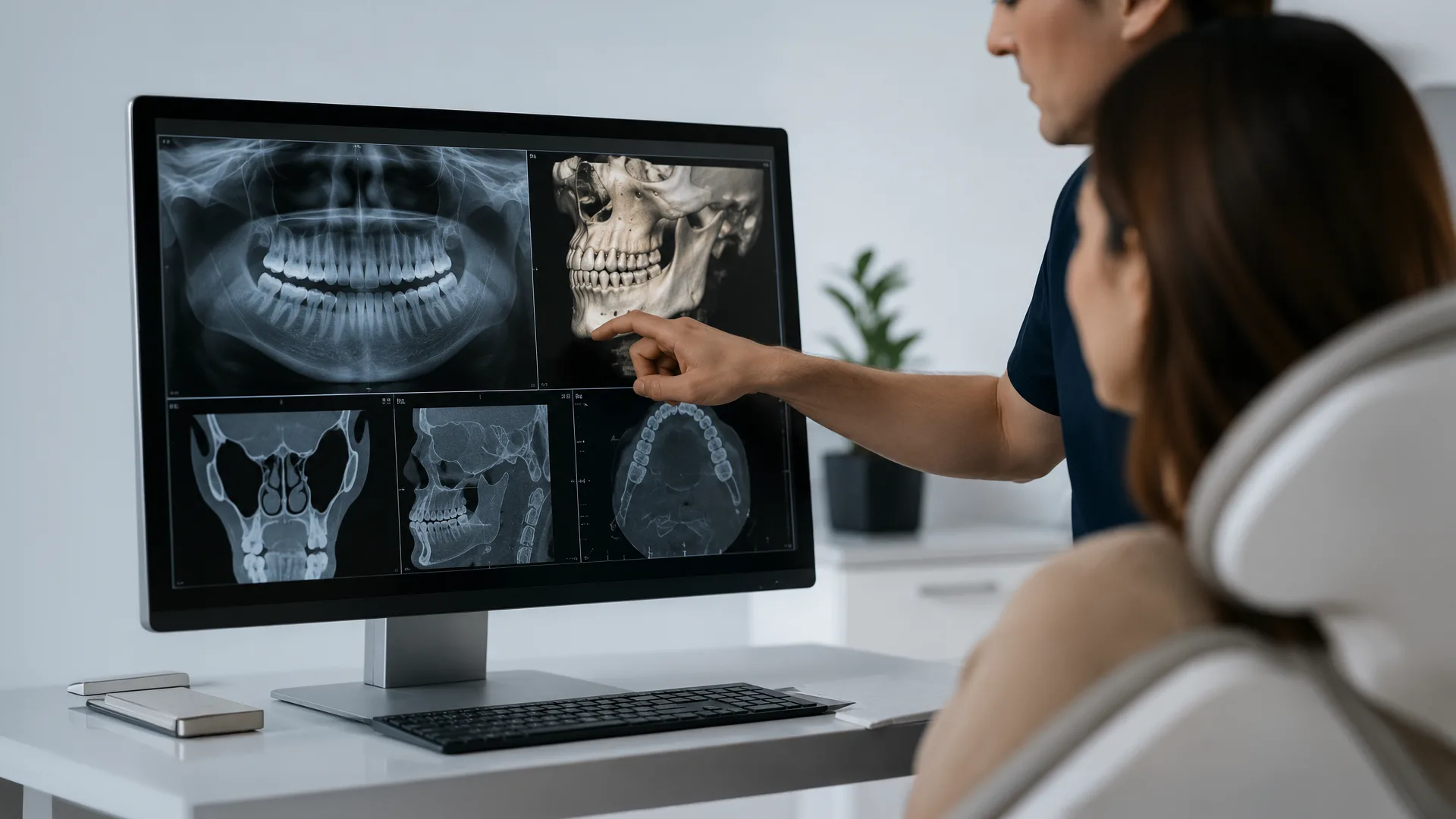
Send us a scan. We will tell you what you actually need.
Including, quite often, that it is less than you were told somewhere else.